


Description
In the Pediatric Intensive Care Unit (PICU), every second counts. This is where critically ill children receive constant monitoring and timely medical care. At the bedside, you’ll always find Pediatric ICU Nurses—they not only track vital signs and adjust life-saving equipment, but also provide comfort and support to families during critical moments.
So, who exactly is a Pediatric ICU Nurse? What are their responsibilities, essential skills, and career path? This article will guide you through everything you need to know.
What's Pediatric ICU Nurse
A Pediatric ICU Nurse (often called a PICU Nurse) is a registered nurse (RN) who specializes in caring for critically ill infants, children, and adolescents in a Pediatric Intensive Care Unit (PICU).
Unlike general pediatric nurses, PICU nurses work with patients who need:
- Continuous monitoring of vital signs
- Advanced life support (like ventilators or cardiac support)
- Emergency interventions in critical situations
They work in a fast-paced, highly technical, and emotionally demanding environment, combining clinical expertise with compassion to care for both patients and their families.
What PICU Nurses Do
PICU nurses take on a wide range of responsibilities, including:
- Monitoring vital signs with advanced equipment.
- Administering medications and IV therapies safely and accurately.
- Assisting with emergency procedures such as intubation, chest tube placement, or resuscitation.
- Collaborating with doctors and specialists to adjust treatment plans.
- Educating and supporting families, who often face tremendous stress.
Essential Skills
To excel as a Pediatric ICU Nurse, a combination of clinical expertise, critical thinking, and interpersonal skills is essential.
Key skills include:
- Advanced clinical skills: Proficiency in operating ventilators, infusion pumps, cardiac monitors, and performing procedures such as intubation or IV insertion.
- Critical thinking and quick decision-making: The ability to assess rapidly changing conditions and respond appropriately in emergencies.
- Communication skills: Clear and effective communication with doctors, colleagues, and families is crucial for coordinated care.
- Empathy and emotional resilience: Providing support to both patients and their families while managing the stress of high-stakes situations.
- Adaptability and continuous learning: Staying up-to-date with the latest pediatric critical care practices and hospital protocols.
How to Become a Pediatric ICU Nurse
Becoming a Pediatric ICU Nurse involves a combination of formal education, clinical experience, and specialized training:
1. Earn a Nursing Degree – Complete an accredited nursing program (ADN or BSN). A Bachelor of Science in Nursing (BSN) is often preferred by hospitals.
2. Obtain RN Licensure – Pass the NCLEX-RN exam to become a licensed registered nurse.
3. Gain Pediatric or ICU Experience – Work in pediatric units, step-down units, or adult ICUs to develop critical care skills.
4. Apply for PICU Positions – After gaining foundational experience, apply for a position in a Pediatric ICU and complete on-the-job training.
5. Pursue Specialty Certification – Consider certifications such as CCRN-P (Critical Care Registered Nurse – Pediatrics) to enhance your expertise and career growth.
6. Continue Professional Development – Attend workshops, advanced courses, and consider graduate studies (MSN or DNP) for leadership or advanced practice roles.

Challenges of Working as a PICU Nurse
Working in a Pediatric ICU is highly rewarding, but it comes with significant challenges:
- High stress environment: Nurses must make rapid decisions in life-or-death situations.
- Emotional demands: Caring for critically ill children and supporting anxious families can be emotionally taxing.
- Long hours and shift work: PICU nurses often work nights, weekends, and extended shifts.
- Complex cases: Patients may have multiple, rapidly changing conditions requiring constant monitoring and advanced interventions.
- Maintaining work-life balance: The intensity of the role can make it difficult to separate work from personal life.
Despite these challenges, many PICU nurses find the work extremely fulfilling, knowing they make a critical difference in children’s lives.
Pediatric ICU Nurse Salary and Career Outlook
PICU nurses are well-compensated for their specialized skills and critical responsibilities. In the United States, annual salaries typically range from $70,000 to $110,000, depending on experience, education, and location.
The demand for PICU nurses remains strong, as pediatric intensive care is a highly specialized field that requires constant staffing. Career advancement opportunities include positions such as charge nurse, nurse educator, or nurse manager, allowing nurses to expand their professional responsibilities and take on leadership roles.
Conclusion
Being a Pediatric ICU Nurse is challenging but incredibly rewarding. For students and aspiring nurses, this career offers the chance to save lives, support families, and grow professionally. If you are passionate about caring for critically ill children, PICU nursing can be a deeply fulfilling path.
FAQs
1. How many years does it take to become a pediatric ICU nurse?
Typically, becoming a PICU nurse requires:
- 2–4 years to complete a nursing degree (ADN or BSN).
- Passing the NCLEX-RN exam to become a licensed registered nurse.
- 1–3 years of pediatric or critical care experience before working in a PICU.
In total, it usually takes around 4–7 years to reach a PICU nursing role.
2. Is it hard to become a PICU nurse?
Yes, becoming a PICU nurse is challenging because it requires advanced clinical skills, critical thinking, and emotional resilience. Nurses must handle high-pressure situations, care for critically ill children, and coordinate with multidisciplinary teams. However, with proper education, training, and experience, it is an achievable and rewarding career.
3. Is ICU nursing harder than ER nursing?
Both ICU and ER nursing are demanding, but they differ:
- ICU Nursing focuses on continuous monitoring and long-term care of critically ill patients, often with complex treatments.
- ER Nursing involves rapid assessment, triage, and short-term stabilization of patients with a wide variety of conditions.
Many nurses find ICU nursing more intense emotionally due to prolonged care of critically ill children, while ER nursing is often more fast-paced and unpredictable.
Let's Get Started Training
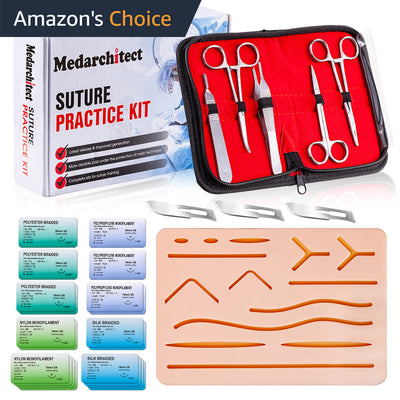
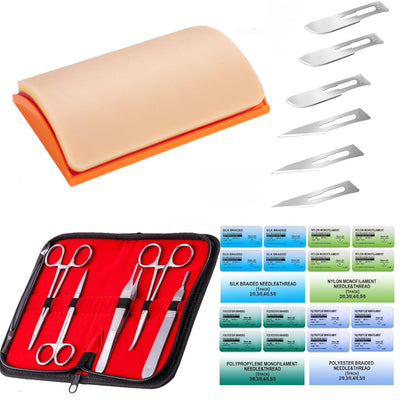
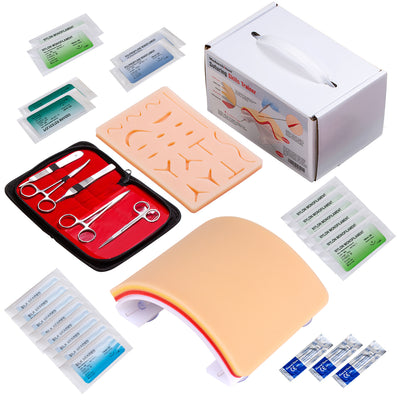
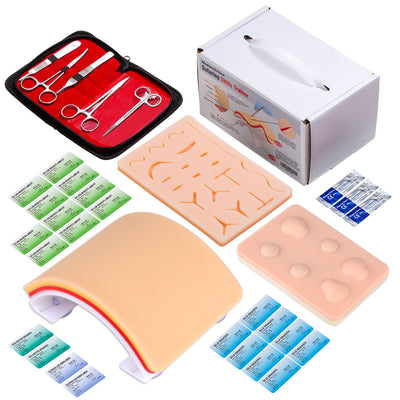
For aspiring Pediatric ICU Nurses, hands-on practice is essential. Therefore, Medarchitect has launched a series of pediatric training tools, including:


